top of page
147086455_4338439596172208_2058386473710

News,Programs and Events

Apart from our Saturday morning and Sunday evening services, other activities take place at Paddington UC on a regular basis. Find out more about them below.
The Vineyard Is Not for Sale: Country, Inheritance and God's Justice

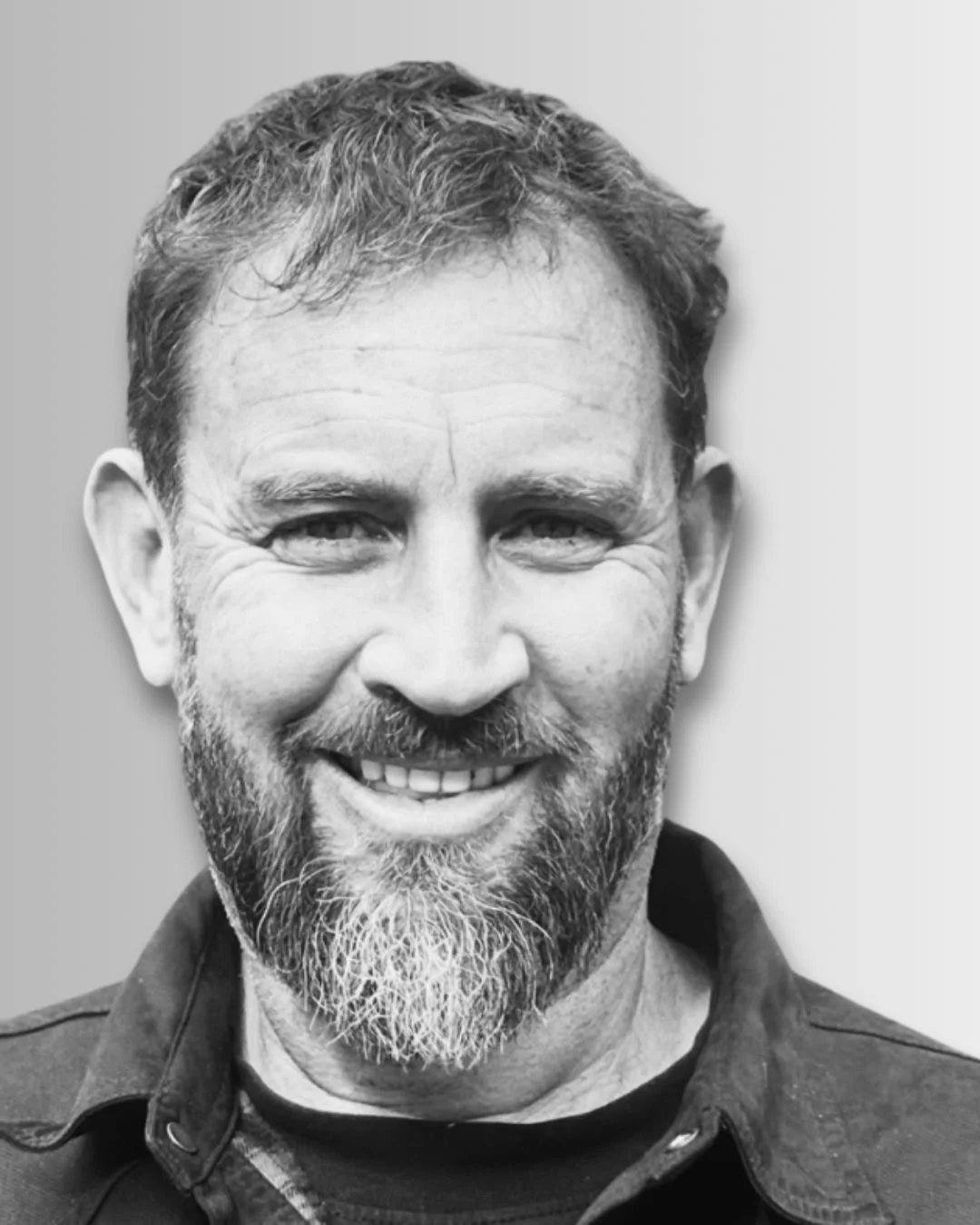
Pastor Ray Minniecon

St. Johns,  Glebe May 31st 2026

Text: 1 Kings. 1-28.

Today we gather to remember one of the most significant moments in Australia's legal history. We remember Eddie Koiki Mabo and all those including an Anglican priest, Rev. David Passi, who courageously stood against the great lie that this land belonged to no one. Terra Nullius. We remember a struggle that was never simply about land ownership, but about truth, identity, dignity, belonging and justice. For Aboriginal and Torres Strait Islander peoples, Country has never been merely a piece of property. Country is family. Country is memory. Country is story. Country is law. Country is spirit. Country is our relationship with the Creator and with one another. Country is deep belonging. Country holds the footprints of our ancestors and carries our responsibilities to future generations. ​ This is why the story of Naboth's vineyard speaks so powerfully to us on Mabo Day. When King Ahab looked at Naboth's vineyard, he saw an opportunity. He saw land that would suit his plans. He saw something he wanted. He approached Naboth with what seemed to be a reasonable offer. "Sell me your vineyard," he said. "I will give you a better vineyard or pay you whatever it is worth." ​ To many people this might have sounded fair. It might even have sounded generous. Yet Naboth's response reveals something profound. He says, "The Lord forbid that I should give you the inheritance of my ancestors." ​ Naboth understood something that Ahab did not understand. The vineyard was not merely land. It was inheritance. It was identity. It was covenant. It was a sacred trust passed down through generations. It carried the memory of those who had come before him and the responsibility of those who would come after him. ​ In many ways, Naboth's words echo the understanding that Aboriginal peoples have carried for tens of thousands of years. We do not simply own Country. We belong to Country. We are part of a relationship that stretches backwards to our ancestors and forwards to generations yet unborn. Some things cannot be measured by money because they were never commodities to begin with. ​ Yet king Ahab could not understand this. He viewed the vineyard through the eyes of power, ownership and entitlement. He assumed that everything had a price. He assumed that if he offered enough, Naboth would surrender what was sacred. Colonisation often works in the same way. ​ Again and again, Aboriginal people were told that development would be better. We were told that settlement was progress. We were told that our cultures would be improved. Governments, churches, businesses and institutions frequently assumed they knew what was best for Indigenous peoples. ​ The doctrine of terra nullius rested upon a similar assumption. It declared that Indigenous peoples and their laws did not matter. It treated the oldest continuing cultures on earth as if they were invisible. It denied the sacred relationship between people and Country. ( “There is no scientific evidence that the Aborigine is a human being at all.. O'Malley made this comment on 23 April 1902 during federal parliamentary debates regarding the Commonwealth Franchise Act 1902. The parliament was debating whether to grant voting rights to Indigenous people.) But Mabo challenged that lie. ​ The Mabo decision declared that Indigenous connection to Country had never disappeared. It acknowledged that our relationship with land existed before 1788, before colonisation and survived despite colonisation. In many ways, Mabo was Australia's modern-day declaration that the inheritance of the ancestors still matters. The story of Naboth also reminds us of something darker. When power cannot buy what it wants, it often seeks other ways to take it. ​ King Ahab sulked because he could not get what he wanted. Jezebel then devised a plan to remove Naboth. False witnesses were found. Institutions were manipulated. The appearance of legality was maintained. Everything looked official. Everything appeared proper. Yet beneath the surface there was corruption, violence and injustice. Throughout history, injustice has often hidden behind legal processes. Many of the policies that dispossessed Aboriginal peoples were legal. Many of the laws that removed children from their families were legal. Many of the actions that denied rights and dignity were legal. But legality and justice are not the same thing. ​ The question God asks king Ahab through the prophet Elijah is not whether he followed procedure. The question is far more direct: "Have you murdered a man and seized his property?" God cuts through every excuse. God cuts through every legal argument. God cuts through every justification and exposes the truth. The good news of this story is that God sees what others refuse to see. When Naboth's voice was silenced, God heard him. When the powerful celebrated their victory, God remembered. When institutions failed, God sent Elijah. Again and again throughout Scripture we discover that God stands with those who have been dispossessed, oppressed and marginalised. God hears the cries that society ignores. God remembers the people history tries to forget. This is why Mabo Day matters. ​ It matters because truth finally broke through generations of denial. It matters because justice, even delayed justice, is still worth pursuing. It matters because it reminds us that God is always working on the side of truth. Yet Mabo Day also reminds us that the journey is not complete. ​ The Mabo decision was historic, but it did not restore everything that was lost. Native Title did not heal every wound. Many communities still struggle. Many sacred places remain under threat. Many voices continue to go unheard. Truth-telling is not the destination. Truth-telling is the beginning. And the Gospel calls us beyond recognition toward restoration. It calls us to restore dignity where dignity has been denied. It calls us to honour sacred places. It calls us to listen deeply before acting. It calls us to build relationships that are stronger than possession and more enduring than power. As Christians, we also see in Naboth a shadow of Jesus himself. ​ Like Naboth, Jesus stood before corrupt power. Like Naboth, Jesus faced false witnesses. Like Naboth, Jesus was condemned unjustly. Like Naboth, Jesus was taken outside the city and put to death. Yet unlike Naboth, Jesus rose from the grave. ​ His resurrection declares that truth cannot be buried forever. Justice cannot be silenced forever. The powers of this world do not have the final word. God's kingdom has the final word. And because Christ is risen, we continue to hope. ​ We hope for a nation that tells the truth. We hope for a nation that honours the inheritance of its First Peoples. We hope for a nation where reconciliation is built upon justice. We hope for a nation where sacred places are protected and where every people can flourish in dignity. ​ Today, on Mabo Day, we hear again the words of Naboth: "The Lord forbid that I should give away the inheritance of my ancestors." May we honour those words. May we honour Eddie Koiki Mabo. May we honour the wisdom of our ancestors. May we honour the Creator who entrusted this land into our care. ​ And may we walk together in the way of Christ, seeking truth, pursuing justice, and helping to restore what has been broken, until righteousness flows across this land like a mighty river. (Amos 5:24) ​ Amen.

An Indigenous Response to the Emerging World Order
Pastor Ray Minniecon Indigenous Peoples Organisation Sydney

In the analysis section of ABC online, an excerpt from David Speers article where he wrote in the light of current political views on the international order and Canadian Prime Minister Carney’s visit to Australia wrote, "The old order is not coming back," Carney said. It was a eulogy, not a warning. He described the "end of a pleasant fiction and the beginning of a harsh reality" where big powers "submitted to no limits, no constraints". "The question for middle powers like Canada is not whether to adapt to the new reality — we must," he declared.
 

​


​

Read More

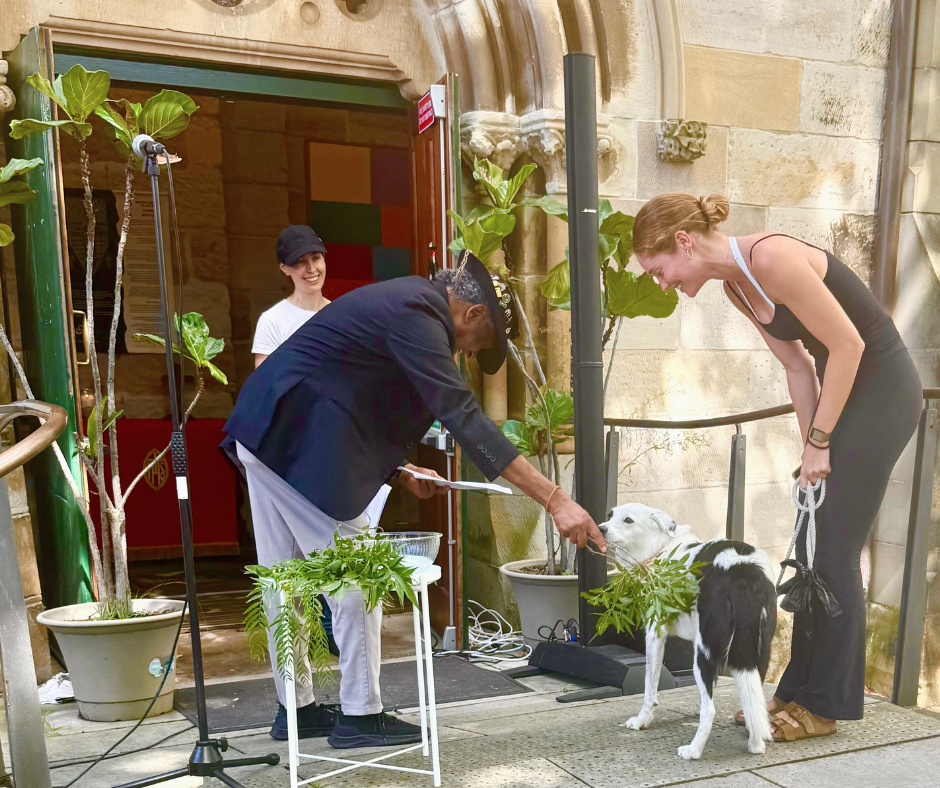
NEWS- Blessing of the Animals

At the steps of Paddington Uniting Church

(in the Paddington Markets)

Bring your furry, feathered, or even scaly companions along to a joyful community event inspired by the life and work of St Francis and St Clare of Assisi: the Blessing of the Animals.

​

Whether you have a sprightly terrier, a patient cat, or a child’s much loved guinea pig, all creatures are welcome to receive a special blessing. You may also bring a photo of a beloved pet instead.


What to Expect

  • A short, warm blessing led by Paddington Uniting Church 

  • Morning tea after the blessing

  • Time to mingle with neighbours and their pets


Everyone is Welcome

Just bring yourself, your family, and either your beloved pet or a photo of your beloved pet. Come for the blessing, stay for the markets, and discover a church community that delights in wagging tails, little paws, and the people who love them.

Untitled design (11).png
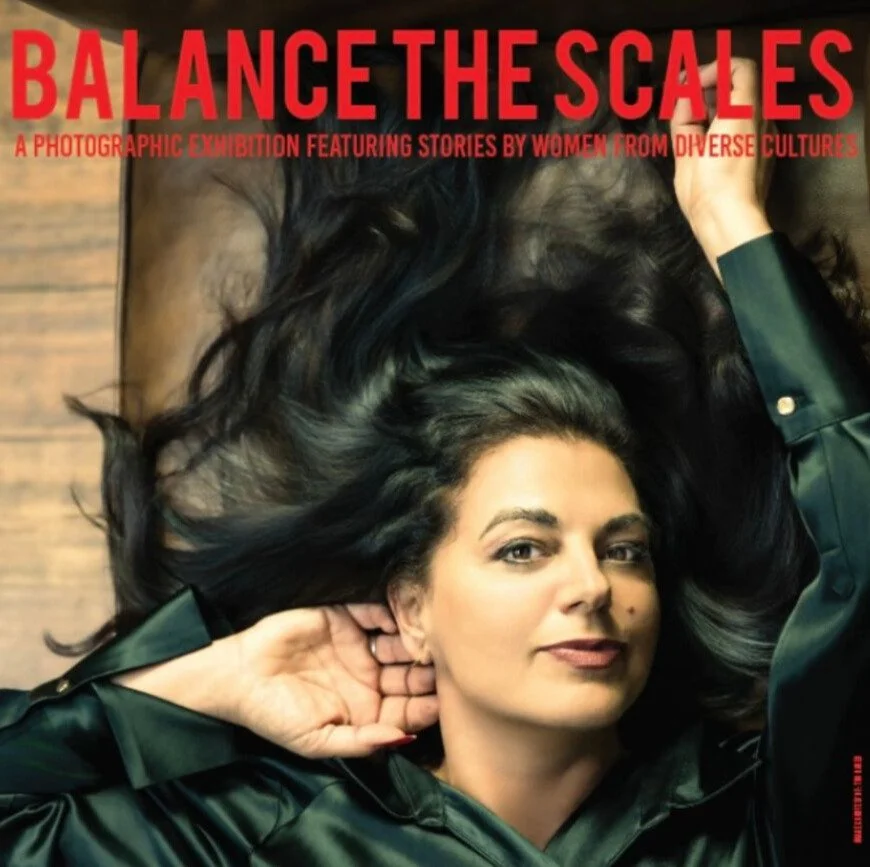
WE BLEED THE SAME: BALANCE THE SCALES

PHOTOGRAPHIC EXHIBITION AND EVENT


Advance tickets are strongly recommended.

​

Welcome to WE BLEED THE SAME: BALANCE THE SCALES exhibition and fundraising event for UN Women Australia empowering programs, opening night at Paddington Uniting Church on March 5, 2026, at 5:30 PM (Australia/Sydney time). International Women's Day focuses on issues such as gender equality, reproductive rights, violence and abuse against women, and explores women's rights and human rights through interactive sessions.

​

Let's come together to explore ways to achieve a more inclusive and equitable world. This event aims to inspire and empower individuals to make a positive impact. Don't miss out on this opportunity to connect with like-minded individuals and join a meaningful conversation. Join us for an evening of thought-provoking discussions commemorating women's struggle for equality and liberation.

​

We're also hosting a Silent auction. See you there! (Opening Night, March 5, with daily opening 11 - 5 from 6 to 11 March).

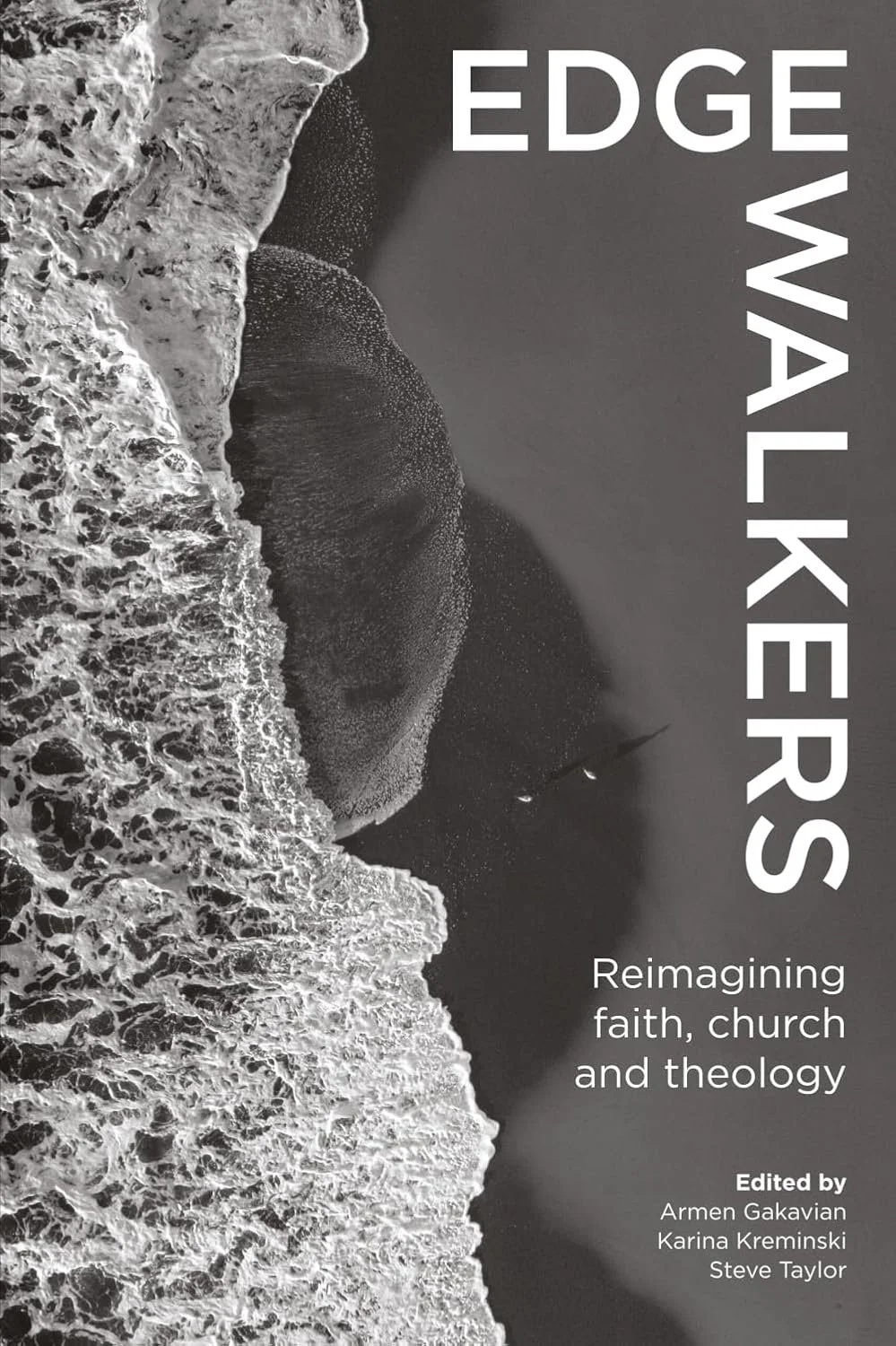
BOOK LAUNCH

10 March 6-8pm Paddington Uniting Church

​

“Someone should write a book about these remarkable people reimagining church and faith.”

​

That comment sparked the creation of Edge-Walkers: Reimagining Faith, Church and Theology, a project that revealed just how demanding the publishing journey can be. Around the same time, a new publishing venture, At the Edges, was launched מתוך a love of books and a desire to mentor emerging writers, with a commitment to producing works that contribute to human flourishing.

​

Edge-Walkers emerged from a growing awareness of creative Christian practitioners whose quiet, transformative work often goes unnoticed. In a season marked by church decline and widespread faith deconstruction, their stories offer hope. The book highlights fresh expressions of Christianity taking shape in diverse contexts, all rooted in the gospel as good news through Jesus Christ.

screenshot-2026-01-13-134746.png
Untitled design (6).png
NEWS- PASTOR RAY COP30

“Our old people taught us that caring for Country isn’t a project - it’s who we are.”

​

I’ve recently been nominated as a Knowledge Holder for the Local Communities and Indigenous Peoples Platform under the United Nations Framework Convention on Climate Change. It’s an honour, but also a responsibility. My role is to carry the voices, wisdom, and ancient teachings of our Elders into global spaces - to remind the world that Indigenous knowledge systems and spiritual traditions are not relics of the past. They are guides for the future.

​

When I travel to Brazil for COP30, I’m looking forward to walking alongside other Indigenous peoples from across the world - to listen, to learn, and to share our own stories from this ancient land we call Australia. Brazil is home to powerful First Nations movements who are protecting their forests, rivers, and the breath of the Earth itself. I hope we can sit together and talk about what balance and right relationship with Creation really mean.

​

Climate work found me more than I found it. I’ve been doing this most of my life - through community leadership, ministry, reconciliation, and partnerships that lift Indigenous wisdom. I now serve as co-Chair of Australia’s Indigenous Peoples Organisation, but really, it all began with love - love for my people, for Country, and for Creation. When you love the Earth, you can’t stay silent while she’s suffering.

​

At COP30, I hope to see less talk and more action - especially actions that protect Indigenous lands and waters. We need climate justice that holds big polluters accountable and uplifts the communities already facing the hardest impacts. And I want to see Indigenous leadership honoured - not as “alternative,” but as essential to healing our planet.Faith and culture give us the moral courage to act. In my Christian faith, I return to John 3:16 - “For God so loved the cosmos…” Not just humanity, but all of Creation. And in my Aboriginal culture, we understand that everything is connected - land, sky, water, people, and spirit. When one part of Creation is hurt, we all feel it. Paul says in Romans 8 that “creation groans as a woman in childbirth.”That’s what I hear in the winds and waters of this world right now - Creation crying out. And I believe our response must be collective. Healing the Earth isn’t something done alone. It happens when we walk together - in respect, humility, and hope.

PADDINGTON MARKETS

Paddington Markets is held around the church every Saturday from 10:00am to 4:00pm. It is Sydney's longest running weekly community markets. For over 40 years it has been and continues to be Australia's most frequent and well known church fête. 

4c39311373c181c881420ae3ce9098c7.jpg
Logo PUC2
1200px-UCA-logo

395 Oxford Street 

Paddington, NSW 2021

​

Ph: 02 9331 1331

Paddington Uniting Church acknowledges and pays our respects to the Gadigal people of the Eora nation, the traditional owners of the land on which our church gathers.

PADDINGTON UNITING CHURCH

© 2025 Paddington Uniting Church

bottom of page